
Tripura
Sundari Tripura
“Tripura does not shout its culture. It whispers it—through bamboo walls, rhythmic drums, gentle dances, and the quiet dignity of its people.”
Tripura, a small but culturally rich state in Northeast India, has a deeply layered heritage shaped by tribal traditions, royal patronage, and cross-border influences from Bengal, Southeast Asia, and indigenous Tibeto-Burman cultures. Narratives.
Language of Tripura
Tripura is linguistically diverse, reflecting its tribal roots and historical links with Bengal.
Official & Major Languages are Bengali (Bangla) and Kokborok (Tripuri)
Other Tribal Languages
Spoken by different indigenous communities:
-
- Reang (Bru)
- Jamatia
- Noatia
- Halam
- Chakma
- Mog (Marma)
Cultural Insight: Kokborok is not just a language—it is the carrier of Tripura’s tribal worldview, folklore, and spiritual expressions.
Art of Tripura
Tripura’s art is earthy, symbolic, and community-centric, rooted in daily life rather than gallery traditions.
Handloom & Textiles
-
- Rignai (women’s lower garment)
- Risa (upper cloth, ceremonial scarf)
- Rikutu / Kamchwlwi Borok
- Made using cotton, natural dyes, and geometric tribal motifs
The Risa has become a symbol of Tripura’s cultural pride and is often used to honor guests—similar to a shawl of respect.
Bamboo & Cane Craft. Tripura is often called the “Bamboo State”. Products include. Baskets, mats, fishing traps, Furniture, Musical instruments and Eco-friendly household items
These crafts reflect sustainability long before it became fashionable.
Culture of Tripura
Tripura’s culture is a beautiful synthesis of tribal customs and royal Bengali influence.
Dance Forms.
Tripura has a strong heritage in folk dance and music. Some of the most beautiful dance forms
Hojagiri Dance
Performed by the Reang (Bru) women, who celebrate fertility, harvest, and Lakshmi Puja.Known for incredible balance and controlled movements
Garia Dance
Associated with the Garia Puja, Performed during the agricultural New Year. Youth-centric, energetic, rhythmic
Lebang Bumani
It’s a Harvest dance with strong community participation
Music
Tripura’s music is dominated by folk and tribal rhythms. Some of the indigenous Instruments include: Kham (drum) , Sumui (flute) and Chongpreng (string instrument)
Songs are often sung in a Narrative (storytelling) and Spiritual mood to celebrate Seasonal and agricultural harvests.
Festivals
The major festivals of Tripura include :
-
- Garia Puja – Tribal agricultural festival
- Kharchi Puja – Royal and religious festival honoring 14 deities
- Ker Puja – Traditional protective ritual
- Durga Puja – Celebrated with Bengali grandeur
- Buisu – New Year festival of the Chakma community
Festivals are community-owned, not commercialized—deeply ritualistic and inclusive.
Food Culture
Food is Simple, nutritious, locally sourced with Staple ingredients like Rice ,Bamboo shoots , Fish. Pork and Fermented foods are quite popular cooked in Low oil, high nutrition—aligned naturally with sustainable living.
Royal & Historical Influence
Tripura was ruled by the Manikya dynasty for centuries. Kings patronized Arts, Education, Literature, Music, and Temple architecture.
Key cultural landmarks include Jayanta Palace (Agartala) – a blend of Mughal and European architecture, now a museum. Neer Mahal is one of the finest peace of architectural Art
Cultural Philosophy of Tripura
At its heart, Tripura represents Harmony with nature, Community over individualism, Respect for ancestors and Balance between tradition and modern life
This makes Tripura a living example of cultural sustainability, perfectly aligned with:
-
- Responsible tourism
- Community-based livelihoods
We are trying to align this with ZeroX Quality Model for our Adorable India Mission
State's Political Leadership
Chief Minister — Prof. (Dr.) Manik Saha
Head of the Government of Tripura.
Prof Dr Manik Saha is a politician and leader of the Bharatiya Janata Party (BJP). Took office as Chief Minister in 2022. He holds portfolios including Home, Health & Family Welfare, and Public Works, among others.
A Former dentist and BJP state president before becoming CM
Deputy Chief Minister — Sri.Jishnu Deb Barma
Assists the Chief Minister in administration.
Sri Deb Barma is a Senior BJP Leader; serving as Deputy CM and held key portfolios like Finance, Power, Rural Development, Planning & Coordination in recent cabinets.
Minister of Industry — Sri Santana Chakma
Heads the Industries & Commerce portfolio in the Tripura Cabinet.
Sri Chakma is a BJP politician and MLA, who focuses on industrial growth, trade, and the welfare of OBCs (Other Backward Classes).
Minister of Tourism —Sri Sushanta Chowdhury
Responsible for Tourism, Transport, and related development.
Sri Chawdhury is a BJP MLA, working to promote tourism infrastructure and cultural attractions across Tripura.
How to Reach Tripura
Tripura is located in Northeast India and is well connected by air, rail, and road, with Agartala as the main gateway.
By Air (Fastest & Most Convenient)
Maharaja Bir Bikram (MBB) Airport – Agartala
Well connected to major Indian cities:
-
- Delhi
- Kolkata
- Guwahati
- Bengaluru
- Hyderabad
Daily flights operated by IndiGo, Air India, Akasa Air, etc.
Most travelers prefer flying to Agartala due to speed and comfort.
By Train (Scenic & Economical)
Agartala Railway Station
Broad-gauge connectivity via Assam .Key train routes include
-
- Kolkata – Agartala
- Guwahati – Agartala
- Silchar – Agartala
The journey is long but scenic, passing through hills, forests, and river valleys.
By Road (Via Assam)
Tripura is connected by National Highways through Assam.
Common route: Guwahati → Silchar → Agartala
You have many Options such as Government buses ,Private buses and Taxis / self-drive
Road travel offers beautiful landscapes but takes longer.
Via Bangladesh (International Shortcut – Special Case)
Shorter route via Kolkata → Dhaka → Agartala ,
This route is Used mainly for Trade , Diplomatic travel and Cargo however you would require a Bangladesh visa

Explore the place
The City Maps
Trip Ideas
FEATURED ARTICLE
Unokoti
Curving on the Mountain

FEATURED ARTICLE
Neer Mahal
The Palace on the Lake

FEATURED ARTICLE
Chobi Mura-Gomti
Gomati Nadi originating from Dumbur Lake

FEATURED ARTICLE
Dumbur
The Serene Dumbur Lake

FEATURED ARTICLE
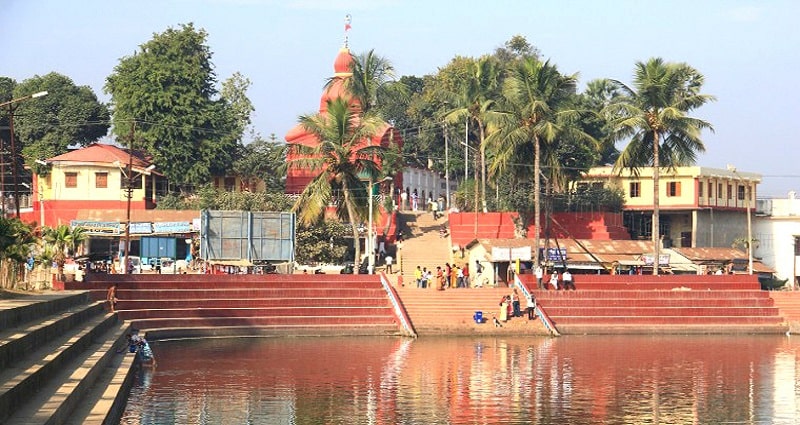
Tripurasundari Kali Temple
A Place of Pilgrimage
FEATURED ARTICLE
Hojagori Dance
Hojagori Dance-A tender Folk Dance form of Tripura

